In the heart of a late-night session, a producer sketches a melody inspired by a 1970s soul classic. One path: load the original recording, chop it, pitch it, and warp its texture into something new. Another path: recreate the essence — replay the groove with fresh instruments, layer new timbres, and let the idea evolve freely without touching the source audio.
This choice between sampling and interpolation defines a profound shift in how music is made today. It’s not merely technical. It’s philosophical — a move from working directly with captured sonic reality to reimagining musical ideas through fresh performance and generation.
This documentary-style exploration traces the roots, sonic personalities, creative workflows, and evolving artistry of both approaches, revealing why their interplay is quietly transforming modern music creation.
Musique Concrète: The Birth of Sound as Material
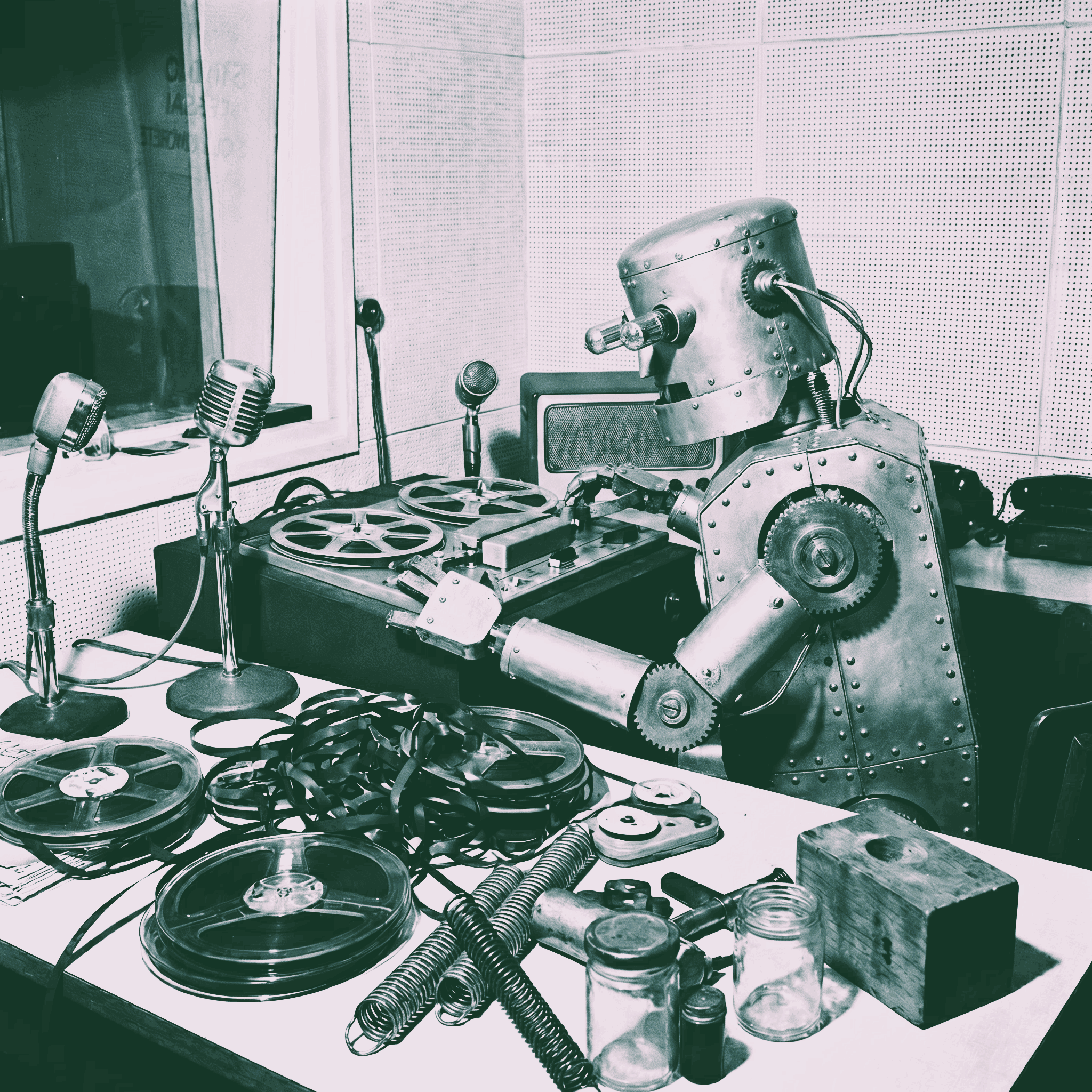
The story begins in 1948 Paris. Radio engineer and composer Pierre Schaeffer stepped into the Studio d’Essai and began treating recorded sound as raw artistic clay. He captured train noises, spinning objects, human voices — everyday sonic fragments — then spliced, looped, reversed, and layered them on magnetic tape.
Schaeffer called this musique concrète: music made from “concrete” recorded reality rather than abstract notation. His Cinq études de bruits stunned listeners by turning the audible world into composition. No traditional instruments. No scores. Just transformed sound objects (objets sonores).
This radical act laid the foundation for everything that followed. Sampling inherited Schaeffer’s reverence for the recorded artifact — its unique timbre, imperfections, and historical fingerprint. The groove of a vinyl break, the air around a vocal phrase, the crackle of tape — these became sacred building blocks.
Traditional Sampling: Embracing the Soul of the Original Recording
Sampling is intimate and forensic. You reach into an existing audio file, extract a fragment, and transplant it into a new context. The power lies in the specificity of the source: the exact transient of a drum hit, the breathy quality of a saxophone note, the room tone that carries emotional memory.
Musically, sampling offers unparalleled texture and depth. A chopped soul vocal carries decades of cultural resonance. A pitched-down breakbeat gains weight and grit that synthetic drums rarely match. Producers like DJ Shadow, Madlib, and J Dilla turned these limitations into an art form — finding swing in imperfect timing, warmth in analog degradation, and surprise in unexpected juxtapositions.
Today, sampling remains deeply tactile. Producers still hunt for rare field recordings, old cassette tapes, or obscure international vinyl. They manipulate with granular synthesis, time-stretching, and spectral editing. The process forces deep listening: you must truly hear the source before you can transform it meaningfully.
The result often feels alive with history — haunted, grounded, and human in its imperfections.
Interpolation: Re-Performing the Idea in Fresh Flesh
Interpolation takes a different route. Instead of lifting audio, you recreate the musical essence — melody, rhythm, harmony, or vibe — through new performances or generation.
Historically, this practice existed long before digital tools. Jazz musicians quoted and reinterpreted standards. Later, hip-hop and R&B tracks replayed famous hooks with session musicians. Think of replayed basslines, re-sung hooks, or newly recorded guitar riffs that echo a classic without copying the waveform.
In today’s landscape, AI-augmented interpolation has dramatically expanded the possibilities. Tools can generate new performances that capture the spirit of a reference — a Prince-like funk groove, a 90s R&B vocal inflection, or an orchestral swell — while allowing instant variation in key, tempo, instrumentation, or emotional coloring.
Sonically, interpolation often feels cleaner, brighter, and more malleable. You avoid phase issues or fidelity limitations of old recordings. It invites experimentation: swap a Rhodes piano for a warped synth, accelerate the tempo while preserving swing, or blend eras fluidly.
Creatively, it emphasizes reinterpretation over transformation. The producer becomes a re-creator, injecting personal touch into borrowed DNA. The music can evolve more organically because it isn’t anchored to a fixed audio fragment.
Sonic and Creative Differences: Two Paths, Two Philosophies
- Texture vs. Flexibility — Sampling delivers irreplaceable character — the dust, the warmth, the unpredictable micro-variations of real recordings. Interpolation offers fluidity — easier modulation, infinite variations, and seamless integration with live playing or synthesis.
- Constraint as Inspiration — Sampling’s limitations (fixed length, pitch artifacts, cultural baggage) spark ingenuity. Interpolation removes many constraints, encouraging bolder structural experiments and hybrid genre blending.
- Emotional Resonance — Sampled material often carries a sense of nostalgia or cultural dialogue. Interpolated elements can feel more immediate and personal, shaped freshly by the current artist’s energy and context.
- Workflow Energy — Sampling is archaeological and meditative — digging, listening, chopping. Interpolation (especially AI-assisted) is more improvisational and iterative — prompt, refine, perform, layer.
Many forward-thinking producers today move fluidly between both. They might sample a rare percussion loop for its unique transient, then interpolate a melodic hook to give it new emotional life. The hybrid approach combines the soul of the past with the freedom of the present.
The Philosophical Core: What Makes Music “Yours”?
This shift raises deeper questions about musical identity. Sampling treats sound as found poetry — honoring and subverting existing voices. Interpolation treats music as living language — ideas that can be re-spoken in new accents.
Neither is inherently superior. Sampling preserves the ghostly presence of original performers. Interpolation amplifies the current creator’s interpretive voice. Together, they reflect music’s eternal tension: reverence for what came before versus the urge to reinvent.
In an era of abundant generation tools, the most compelling work often arises from intentional choice — knowing why you reach for a sample’s grain or an interpolated line’s clarity. The quiet revolution isn’t choosing one over the other, but mastering both as extensions of artistic intent.
The lineage from Schaeffer’s tape experiments to today’s studios remains unbroken: music is still about listening deeply, transforming thoughtfully, and speaking through sound.
Where do you stand today? Do you lean into the textured ghosts of sampling, the fluid reinterpretations of interpolation, or a dance between them? Share your workflow stories or favorite hybrid moments in the comments. The conversation itself becomes part of the evolution.
This exploration draws from the living history of sound experimentation and current creative practices in music production.
Related Posts
The Rise of Haptic Music: When Touch Becomes the New Stereo
Is haptic music the next big leap, or just another gimmick? Have you…

Diary of an “I”: The Guilt of Easy Creation
Have you ever felt this strange guilt when music making became too easy? Or do…
What Makes Music “Yours”?
In today’s world of endless samples, AI tools, and infinite references, true…